
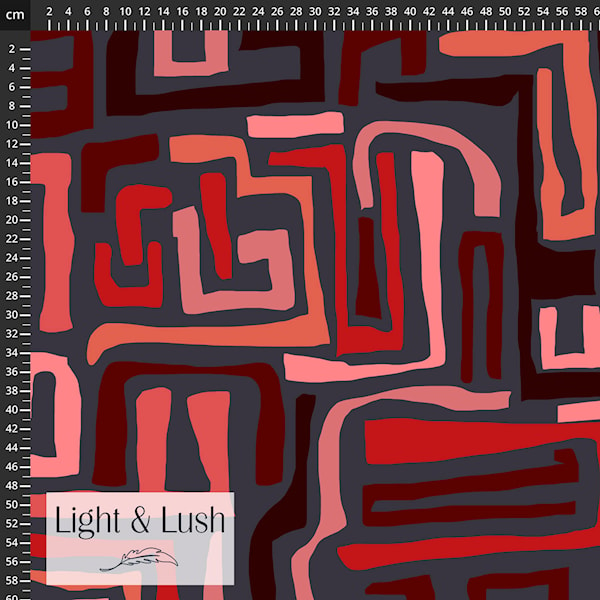
Description
Description
Fabric Width: 145cm (57″)
Design: abstract
Composition: 100% Viscose
Weight: 145gsm
Washing Instructions: Machine wash at 30 degrees. Do not tumble-dry. We strongly recommend testing a small piece first to be sure.
All quantities will be cut as a continuous length – i.e ordering a half metre and a quarter metre will mean you receive a continuous 75cm piece.
Additional information
Additional information
| Fibre | Cotton, Natural Fibres |
|---|---|
| Fabric Weight | Medium |
| Construction | Woven |
Reviews (0)
You must be logged in to post a review.
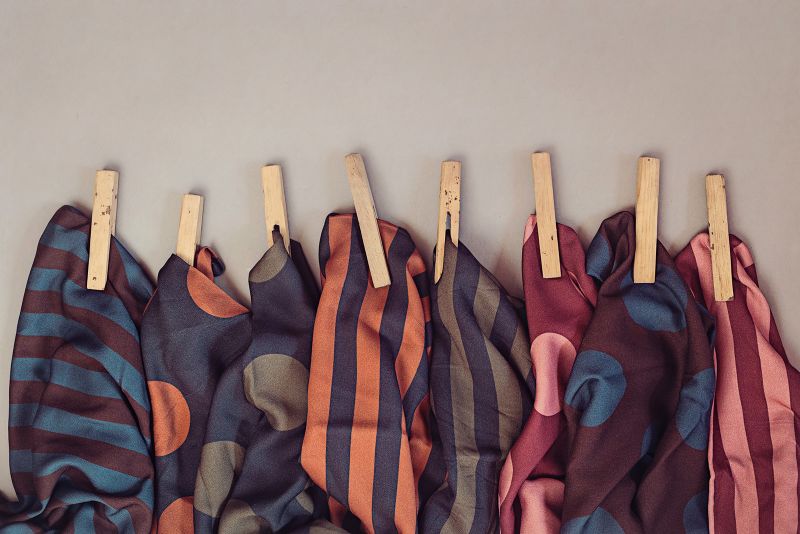
All About Viscose
First developed in the late 19th century, viscose was created as an affordable alternative to silk. The process was patented in 1892 by British chemists Charles Cross, Edward Bevan, and Clayton Beadle, who discovered how to transform natural cellulose (typically derived from wood pulp or bamboo) into fine, lustrous fibres. The name viscose originates from the thick, honey-like solution produced during the manufacturing process.
Almost all of our viscose fabrics are OEKO-TEX® certified, meaning they’ve been tested for harmful substances and produced responsibly. We choose them for their comfort, quality, and the beautiful way they move — they hang like water, with a natural glow that catches the light in all the right places.
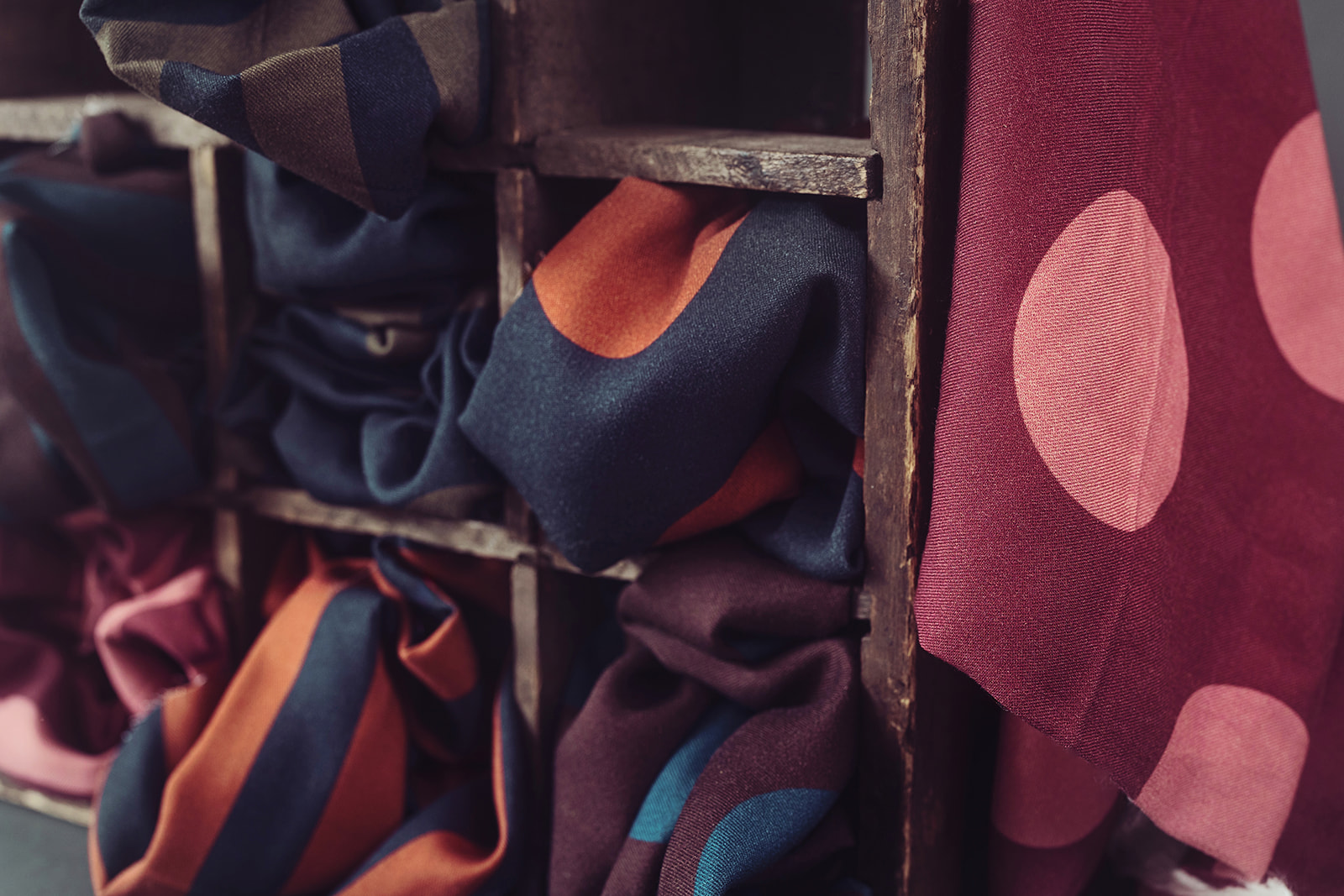
How to Wash & Store
Viscose is made from natural fibres, but its processing means it needs gentle care.
- Washing: Use a cool machine cycle with mild detergent. Avoid soaking for long periods — viscose is weaker when wet.
- Drying: Never wring; instead, roll in a towel to remove excess water and then lay flat or hang to dry. If you hang, support the weight evenly to avoid stretching.
- Ironing: Iron while slightly damp, on the reverse side, to bring back its smoothness and shine.
- Storage: Keep viscose away from direct heat and sunlight — it can fade and become brittle over time. Store folded or on soft hangers in a cool, dry space. Because it’s prone to creasing, a quick steam refresh before wearing is often all it needs.
- Preparing Viscose for Stitching
- Use the Right Tools and Notions
- Tips for Handling Velvet
Cutting and Handling
- Cutting: Consider pre-washing your fabric first — viscose can shrink slightly the first time. Lay it flat on a large surface and avoid letting it hang off the edge of the table, as its weight can distort the shape.
- Stay stitching: Because viscose has such a lovely drape, it can also stretch out along curves, such as necklines or armholes. Staystitch early to keep your pieces true.
- Pressing: Use a medium heat iron and always press on the wrong side with a pressing cloth. Steam helps set seams without creating a shiny mark on the fabric’s face.
Use the Right Tools and Notions
- Needle: Use a microtex or sharp needle, size 70/10 or 80/12 — viscose fibres are fine, and you want a needle that pierces cleanly without snagging.
- Thread: A good-quality polyester thread is ideal; it has the right balance of strength and flexibility.
- Pins and Cutting Tools: Fine glass-head pins or pattern weights will hold viscose securely without damaging it. Use very sharp scissors or a rotary cutter for neat edges.
- Stabilising: If your viscose is especially fluid, try spray starch or tissue paper underneath while cutting or sewing — it helps prevent stretching and shifting.
- Stitch Type: Use a slightly shorter stitch length (around 2.0–2.5mm) to prevent puckering.
- Seams: Finish seams neatly — viscose frays easily. Overlocking is best, but if you don’t have an overlocker, a narrow zigzag or French seam works beautifully.
- Ease: Patterns that showcase viscose’s natural flow — blouses, dresses, and wide-leg trousers — really let this fabric shine. Avoid over-structured designs that fight its softness.
Sarah's Pattern Picks
Join the Luna Lapin & Friends community
Join us and we’ll send you regular updates from Luna’s world, with information about new products, making guides, and CoolCrafting news.
Reviews
There are no reviews yet.